

Dinner can be the most nourishing part of the day, and not only because of what is on the plate. When families slow down, breathe, and notice with their senses, mealtime becomes a small laboratory for attention, empathy, and choice. The vision behind The Mindful Mantis comes from Mariana Gordon, a mindfulness educator whose background in children’s counseling informs its evidence-based approach, and Sondra Bakinde, an artist and wellness advocate who infuses every practice with creativity and warmth. Together, they guide families in turning everyday meals into playful, mindful rituals that build connection, confidence, and calm.
Why mindful eating builds resilience
Food is information for the body and a story for the nervous system. Predictable, caring rituals around meals tell a child’s body that it is safe. In that state, digestion improves, attention steadies, and kids are more open to new foods. This is mindful parenting in action. You are not forcing bites. You are teaching presence, autonomy, and curiosity. Over time, those skills travel far beyond the table.
Children’s mindfulness gives meal routines a clear purpose. When kids practice noticing flavor, texture, temperature, and hunger cues, they strengthen interoception, which is the brain’s ability to sense internal signals. That awareness helps kids recognize full and hungry, excited and overwhelmed, ready and tired. It is the same awareness that makes school transitions smoother and sibling conflicts shorter.
The 5-part mindful meal
You do not need extra time to make meals more mindful. You need tiny, repeatable cues that the body can trust.
1) Arrival breath
Before anyone reaches for plates, take three balloon breaths. Hands on bellies, inhale to rise, exhale to soften. This two minute reset prepares taste buds and tempers reactivity.
2) Sensory check
Invite playful noticing. What color stands out on your plate. What does your fork smell like today. A light tone keeps kids engaged and quietly boosts attention.
3) Gratitude phrase
Offer one sentence each. Thank you to the hands that cooked. Thank you to the sun that grew the tomatoes. Gratitude nudges the brain toward connection and primes flexible thinking.
4) Choice within structure
Provide two clear options. Carrots or cucumbers first. Rice or beans as the anchor. Choice protects dignity while keeping boundaries clear.
5) Gentle close
End with a one minute body scan story. Toes, knees, belly, heart, and forehead each get a friendly hello. This signals completion and helps transition to cleanup or bedtime.
Practiced consistently, this flow teaches kids to arrive, attend, choose, and close. Those are the same steps that build resilience in classrooms and on playgrounds.
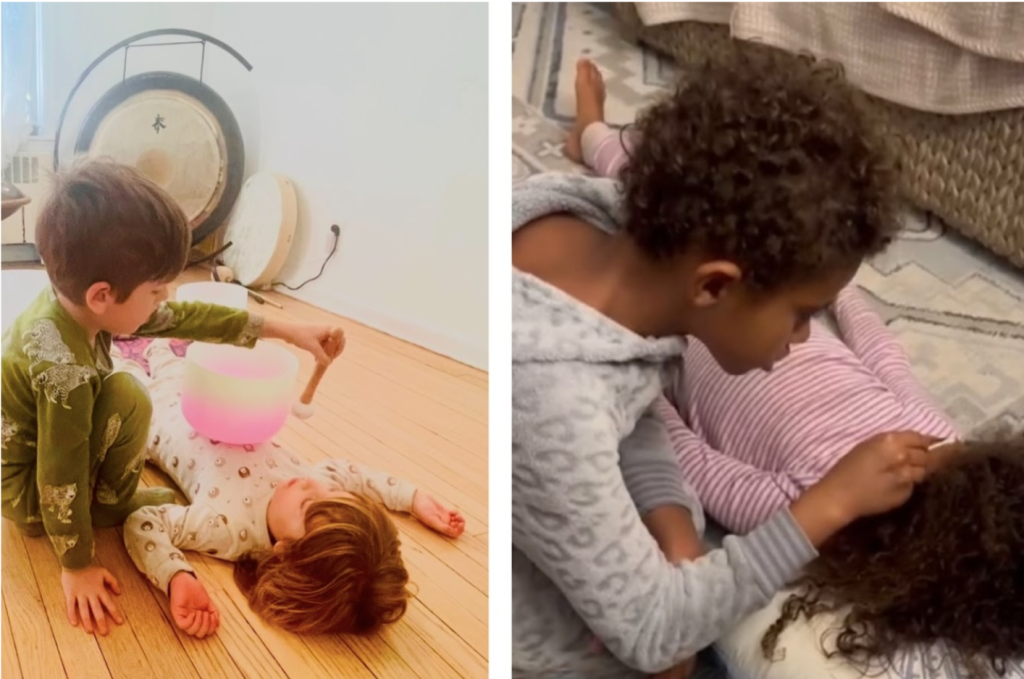
Kids meditation before a bite
A calm body is more likely to try a new food. Keep kids meditation short, sensory, and a little bit silly so attention can hold.
- Steam dragon. Pretend a warm bowl is a tiny cauldron. Smell with a slow inhale. Blow a gentle stream to cool it with a longer exhale.
- Star tracing. Trace five points on a hand under the table. Inhale up a side, exhale down, then take a bite.
- Color hunt. Choose a color and find it in your food. One green, one orange, one purple if you are lucky.
These mini practices are not about perfect calm. They are about teaching the body how to return to steady so the nervous system can explore. Over weeks, children notice they can feel big feelings about food and still make a brave choice.
Nutrition meets connection
Whole foods feed more than cells. They feed rituals. A tray of cut veggies becomes a rainbow game. A pot of beans turns into a conversation about where ingredients come from. A citrus slice invites a mindful squeeze and smell before tasting. Keep props simple so rituals travel from apartment to picnic table to grandparents’ kitchen.
Mindful parenting emphasizes rhythm over rules. Predictable meal anchors reduce decision fatigue and encourage variety without a fight. A vegetable always appears. A protein always appears. A familiar food always appears. Kids learn that their job is to listen to their bodies and practice one curious bite, today or another day. Parents learn to protect connection while still offering structure.
Build a shared language across kitchens and classrooms
Kids learn faster when the same cues show up in multiple places. Ask your child’s teacher what language they use for transitions or tasting in class. Mirror one phrase at home. A small card on the fridge that reads Name it, breathe it, choose it turns tension points into teachable moments. If your family wants a guided path, the short, playful lessons and printable scripts in the Magic Mantis Course translate research into two minute practices that fit real schedules and short attention spans.
When picky meets anxious
Selective eating often has roots in sensitivity and state, not stubbornness. Try these compassionate adjustments.
- Pair a small new food with a safe one and keep portions tiny to lower the stakes.
- Offer a job. Stir the pot, plate the parsley, or choose the napkin color. Participation builds agency.
- Name the feeling before the fix. I see worry in your eyes. Let us breathe first, then choose our first bite.
These strategies protect dignity, which keeps kids engaged. Over time, you will see shorter escalations, steadier trying, and quicker repair after tough meals.
What progress really looks like
Change usually whispers. It looks like two brave tastes in a week, a quieter no thank you, or a child who suggests a breath before trying the soup again. It sounds like I feel full instead of my tummy hurts. It feels like fewer tug-of-war moments because choices come earlier. Celebrate effort. Emotional wellness grows through repetition and modelling, not through perfect plates.
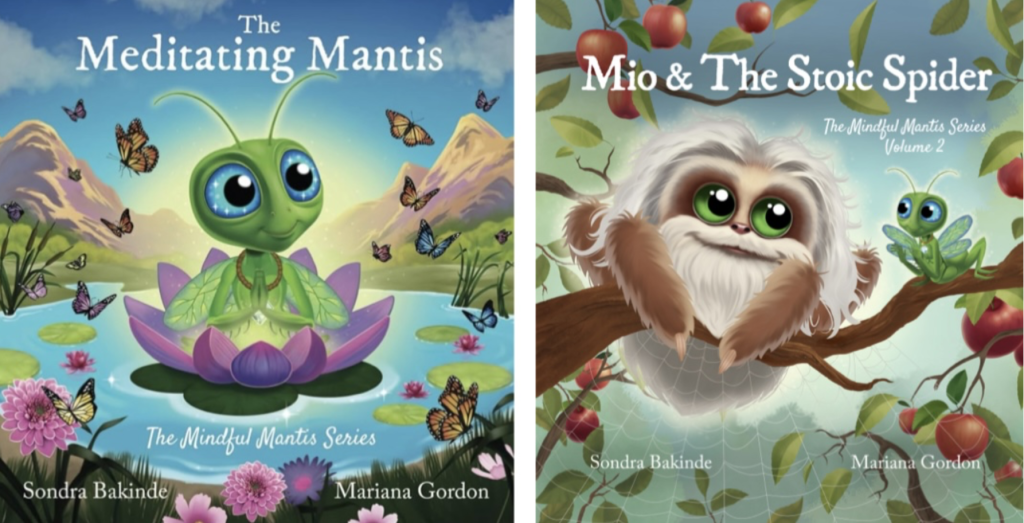
A nurturing next step
At The Mindful Mantis, we love meeting parents right where they are. If you want a playful story that doubles as a meditation, explore The Meditating Mantis and Mio & The Stoic Spider which is a gentle, science-savvy way to begin a lifelong practice of calm and resilience, one page and one breath at a time.
kebo88 | slot gacor | situs slot gacor